The Three Sisters: A Cornucopia Of Nutrients
The Three Sisters are a traditional Native American planting system that combines corn, beans, and squash. This system is based on the complementary relationships between these three plants, which help each other to thrive. Corn provides a sturdy support for the beans to climb, beans fix nitrogen in the soil, and squash shades the soil to keep it cool and moist.
In addition to being a sustainable and productive way to grow food, the Three Sisters are also a delicious and nutritious meal. Corn, beans, and squash are all good sources of protein, fiber, vitamins, and minerals. They are also a good source of antioxidants, which can help protect the body against damage from free radicals.
Main Content
The Three Sisters have been cultivated by Native Americans for centuries, and they are still an important part of the diet of many Native American communities today. The Three Sisters are also becoming increasingly popular among non-Native Americans, who are drawn to their health benefits and sustainability.
There are many different ways to prepare the Three Sisters. They can be cooked together in a stew, roasted, or grilled. They can also be used in soups, salads, and other dishes.
Here are some of the health benefits of the Three Sisters:
- Protein: Corn, beans, and squash are all good sources of protein. Protein is essential for building and repairing tissues, and it also helps to keep you feeling full.
- Fiber: Corn, beans, and squash are all good sources of fiber. Fiber is important for digestive health, and it can also help to lower cholesterol levels.
- Vitamins: Corn, beans, and squash are all good sources of vitamins, including vitamins A, C, and K. These vitamins are essential for a healthy immune system, and they also help to protect the body against damage from free radicals.
- Minerals: Corn, beans, and squash are all good sources of minerals, including magnesium, phosphorus, and iron. These minerals are essential for a variety of bodily functions, including energy production, bone health, and blood circulation.
Conclusion
The Three Sisters are a delicious, nutritious, and sustainable way to grow food. They are a good source of protein, fiber, vitamins, and minerals, and they can be prepared in a variety of ways. If you are looking for a healthy and sustainable way to feed your family, the Three Sisters are a great option.
Growing corn and beans together is a traditional Native American method of gardening that has been practiced for centuries. This method, known as the "Three Sisters," takes advantage of the natural relationships between these three plants to create a more productive and sustainable garden.
The corn provides a sturdy support for the beans to climb, while the beans fix nitrogen in the soil, which benefits the corn and squash. The squash helps to suppress weeds and retain moisture, which also benefits all three plants.
If you're interested in learning more about growing corn and beans together, I recommend visiting Gardenia Inspiration. This website provides a wealth of information about the Three Sisters method, including planting instructions, tips for pest control, and recipes for using your harvest.
FAQ of growing corn and beans together
Frequently Asked Questions about Growing Corn and Beans Together
1. What are the benefits of growing corn and beans together?
There are many benefits to growing corn and beans together. Beans are nitrogen-fixing plants, which means they can take nitrogen from the air and convert it into a form that can be used by other plants. This is a valuable benefit for corn, which is a heavy nitrogen user. Additionally, the corn stalks provide support for the bean vines, and the bean vines help to stabilize the corn plants. The two plants also help to suppress weeds and pests.
2. What are the best varieties of corn and beans to grow together?
There are many different varieties of corn and beans that can be grown together. Some popular combinations include:
- Pole beans: These beans grow up a trellis or other support, so they are well-suited to growing with corn. Some popular varieties of pole beans include Kentucky Wonder, Blue Lake, and Romano.
- Bush beans: These beans do not need a trellis, so they are a good option if you have limited space. Some popular varieties of bush beans include Bush Blue Lake, Bush Pinto, and Bush Lima.
- Sweet corn: This type of corn is not only delicious, but it also provides a good source of support for bean vines. Some popular varieties of sweet corn include Silver Queen, Early Sunglow, and Butter and Sugar.
- Field corn: This type of corn is not as sweet as sweet corn, but it is more productive. Field corn is a good option if you are looking to harvest corn for animal feed or for making cornmeal.
3. How do I plant corn and beans together?
To plant corn and beans together, you will need to plant the beans about 2 weeks after you plant the corn. This will give the corn stalks enough time to grow tall enough for the bean vines to climb. When planting the beans, make sure to space them about 2 inches apart. The corn should be planted about 6 inches apart.
4. How do I care for corn and beans that are growing together?
The care requirements for corn and beans that are growing together are similar to the care requirements for each plant individually. You will need to water the plants regularly, especially during hot weather. You will also need to fertilize the plants every few weeks.
5. What are some common pests and diseases that affect corn and beans?
Some common pests and diseases that affect corn and beans include:
- Corn earworm: This caterpillar can damage corn ears.
- Aphids: These small insects can suck the sap out of corn and bean leaves.
- Powdery mildew: This fungus can cause white spots to appear on corn and bean leaves.
- Rust: This fungus can cause orange or brown spots to appear on corn and bean leaves.
Image of growing corn and beans together
- Image 1: A close-up of a corn plant with several bean pods growing at its base.
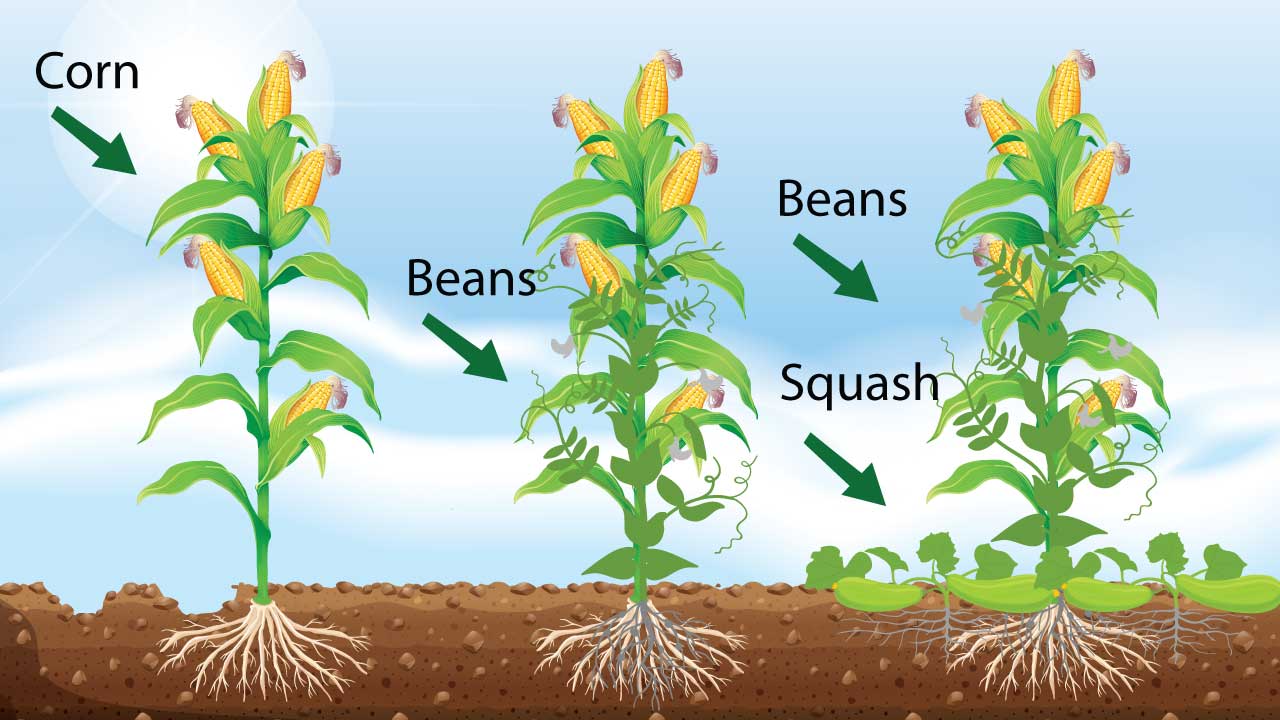
- Image 2: A row of corn plants with bean vines growing up their stalks.
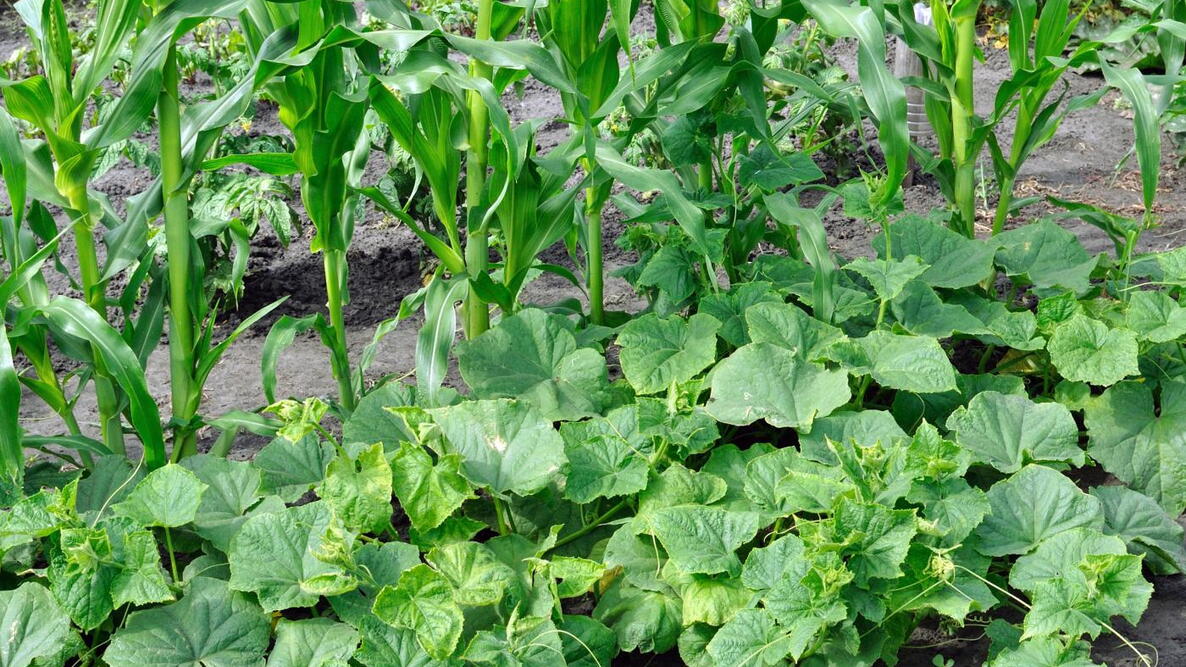
- Image 3: A cornfield with bean plants interspersed throughout.

- Image 4: A raised bed garden with corn and bean plants growing in it.
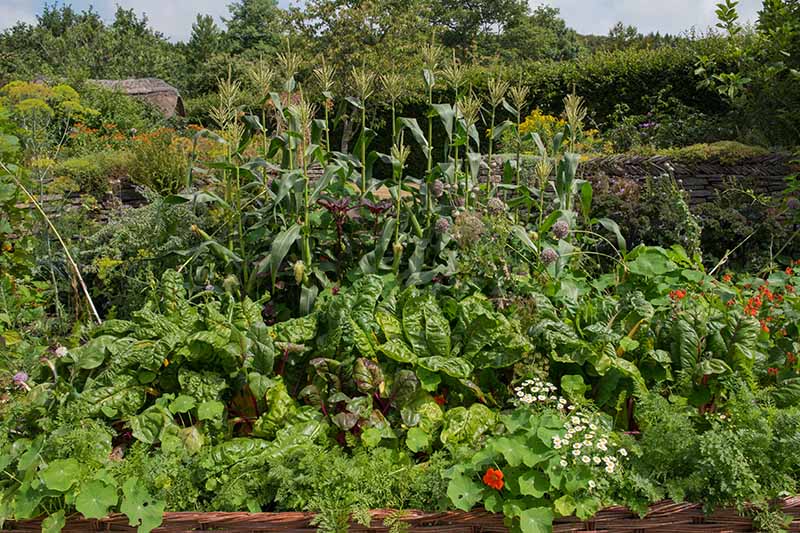
- Image 5: A family of three harvesting corn and beans from their garden.


Post a Comment for "The Three Sisters: A Cornucopia Of Nutrients"